Port St. Joe Area

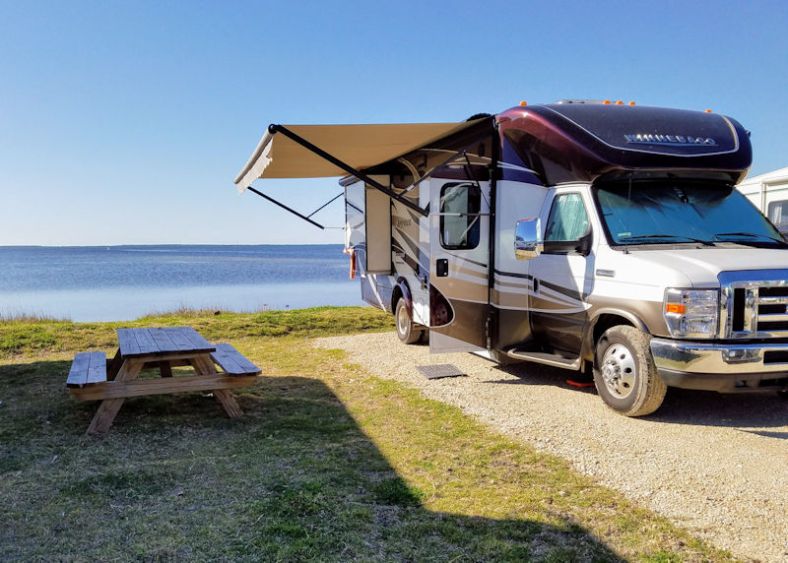
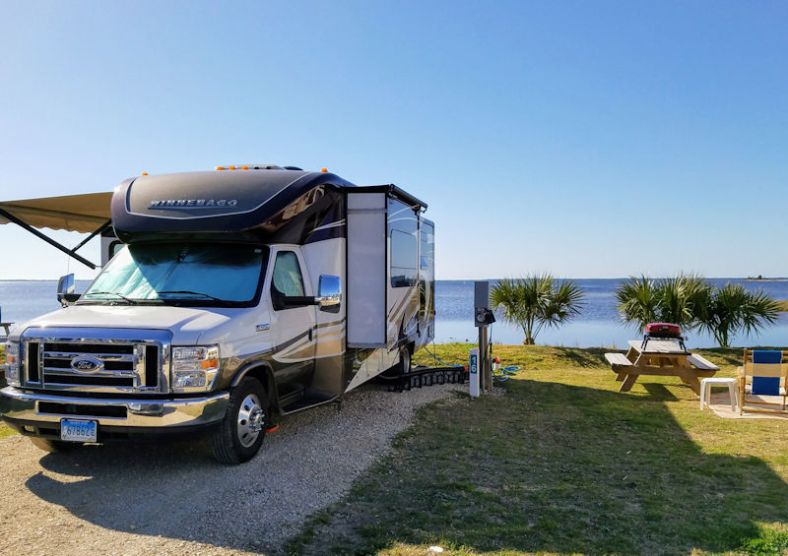
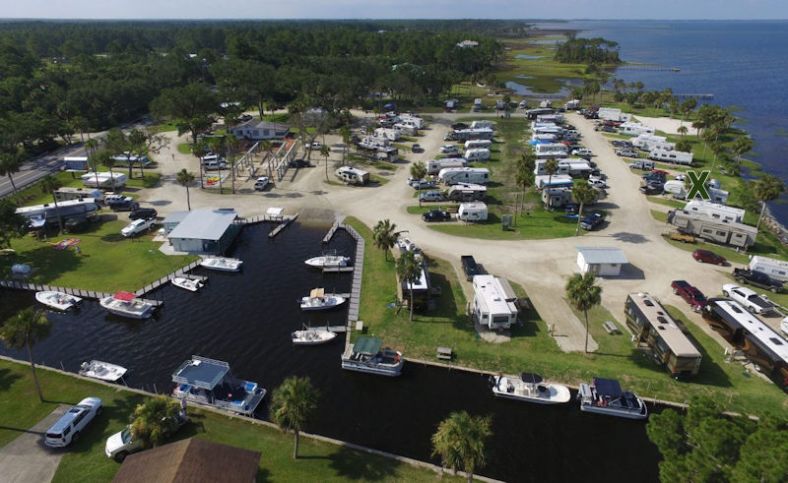
I love this area!  The campground we’re staying at is also special (Presnell’s Marina and RV Resort). Here’s an aerial view of the campground. We are located at the big “X” on the right. Right behind us is St. Joseph Bay.
presnell ariel
st joest joe2

presnells2

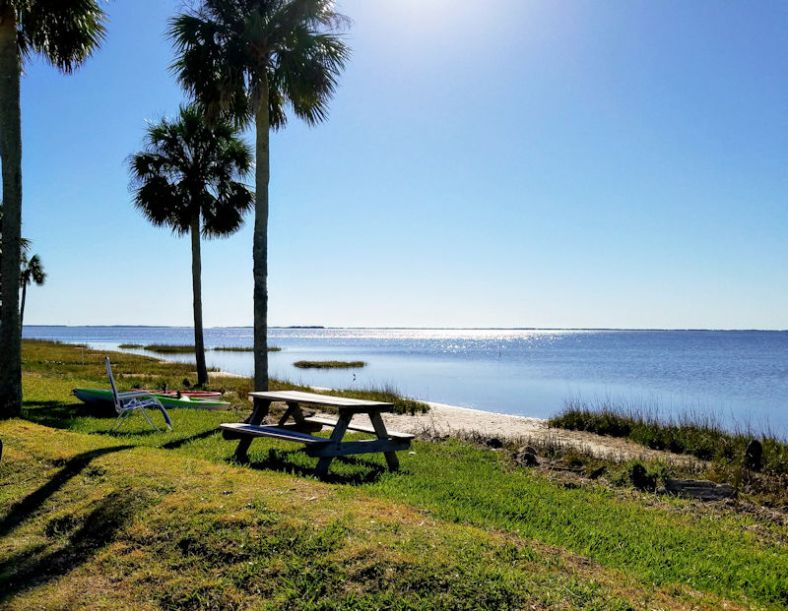
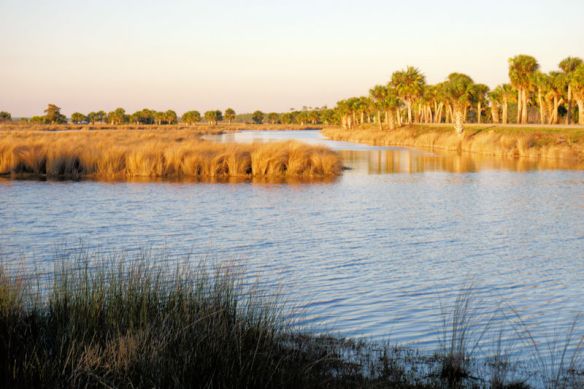
The view just to our left and rear

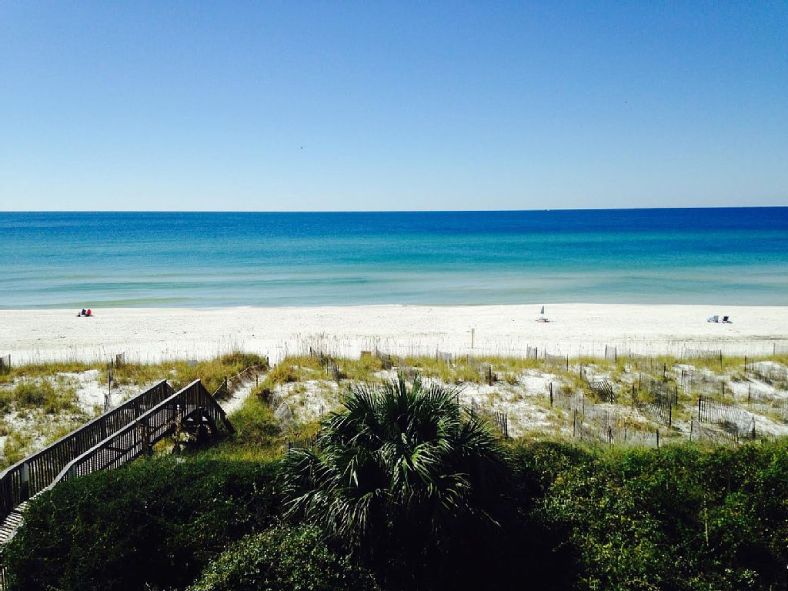
This is our first waterfront site. The sunsets are gorgeous! There’s no traffic. It’s laid back. There’s a beautiful beach on the “Cape” that allows dogs, a rarity for Florida.

In Port St. Joe itself is a Piggly Wiggly food market about the size of Graul’s back home. There’s a pet store in town (Bow Wow Beach) as well as a Vet. I bought dehydrated dog food at that store and visited the Vet for Pogo’s nail trim and anal gland expression.

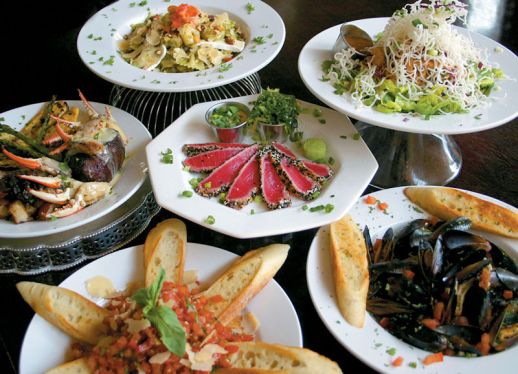
We ate out at a really good restaurant, Provisions, located downtown near the pet store. I had their special 8 oz. filet mignon wrapped in bacon with blue cheese crumbles on top; it was to die for (don’t say it). Ken had the Saint Joe Saute with shrimp and scallops. The restaurant is the top rated one in the area earning close to 5 stars on Yelp and Trip Advisor.
spread_ws

Looks good enough to eat!!

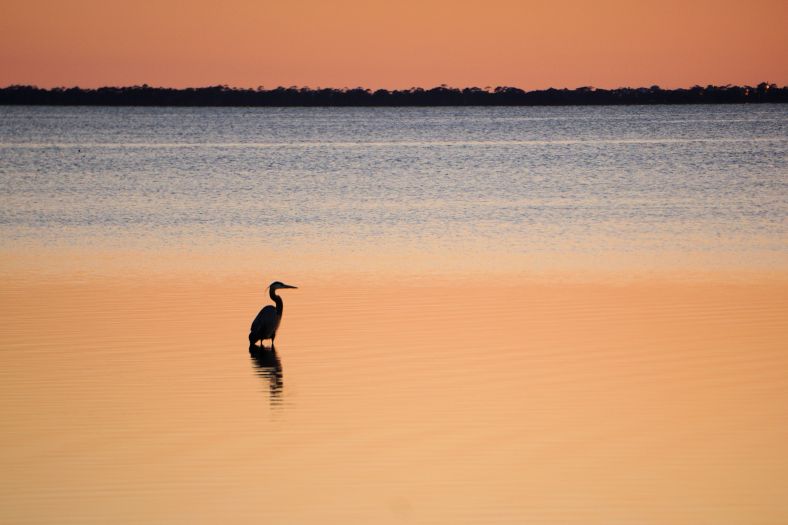
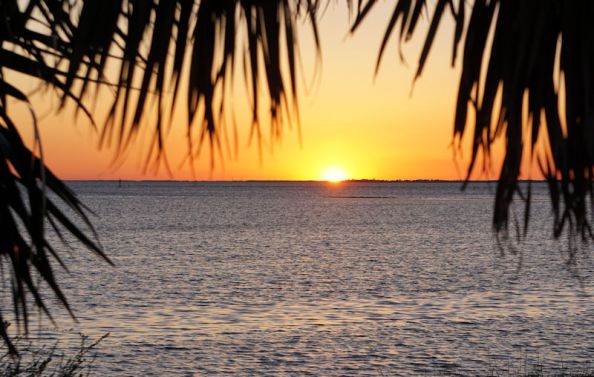
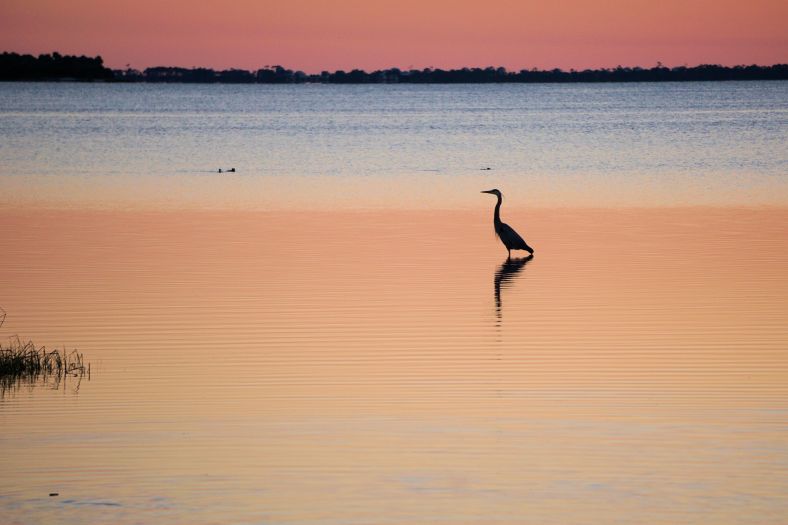
But, it was the sunsets that were truly spectacular. Right from our site, too!
presnells birdpresnells sunset birdpresnells sunset

We went on a really nice bike ride on a bike trail that followed route 30E, which went along the entire length (8.5 miles) of Cape San Blas to the St. Joeseph State Park at the tip.

Ken met a fellow sailor at the campground, Peter Finn. He and his wife are now full timers in their motorhome, staying here over the winter months and moving on during the other months. He has two small wooden boats with him that he’s working on: a catboat and a Chesapeake Light Craft rowing shell. Wood epoxy techniques and racing were Pete and Ken’s favorite discussions. We hope he got to finally row his boat in the bay right after we left.

We could have easily stayed here a few more weeks with such beautiful surroundings!
cape san blas

Public beach on the Cape for dogs, too!
Colors: Yellow Peril and Blue Angel

The  National Naval Aviation Museum (http://www.navalaviationmuseum.org/) is impressive! Using all criteria possible it is impressive. It is HUGE, well run, comprehensive and fun. I do not need to make this chapter a brochure. Go to the link and see all that the museum has to offer. There were some specific highlights that for me had special meaning.

naval museum sm

Entrance to the National Naval Aviation Museum

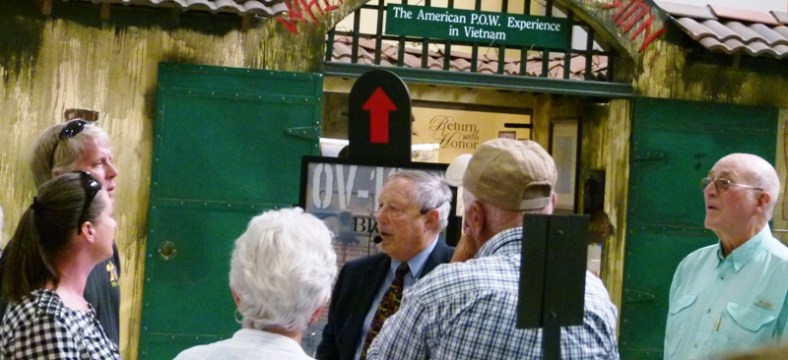
The docents are not just knowledgeable, they lived through some aspect of what they show and have very personal stories to tell. Our guide told us about some of his fellow  soldiers coping with conditions inside a Vietnamese POW camp. About tapping Morris code on the walls to communicate feelings when they were told they couldn’t talk.docent sm

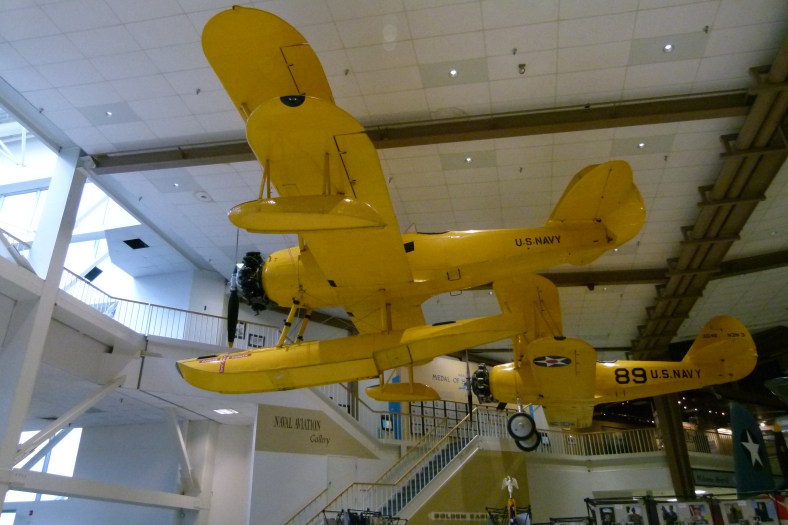
The history of aviation is told here, but I want to concentrate on just a few aspects of that history as it relates to me. In Annapolis, where I sail, I always point out where the Greenbury Point Naval Air Station was located (the FIRST naval air station in the USA), now the Navy Yard. Naval Midshipmen were required to learn how to fly the N3N, nicknamed the Yellow Peril. Named the Yellow Peril because it was (duh) yellow and peril because Midshipmen’s commission was in peril if they did not master flying the craft. They have both the sea plane its land equivalent. The difference is the landing gear. The pontoon for the Navy and standard strut and wheels for land.

Yellow sm

The N3N were first placed into service as training planes in June 1936 at NAS Pensacola, FL.

The planes were used at the Naval Academy, in Annapolis from 1946 (my birth year) to 1959.

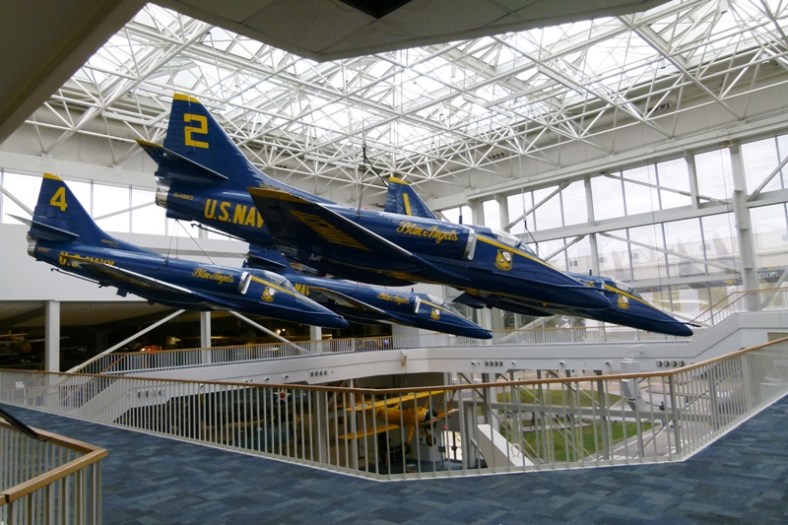
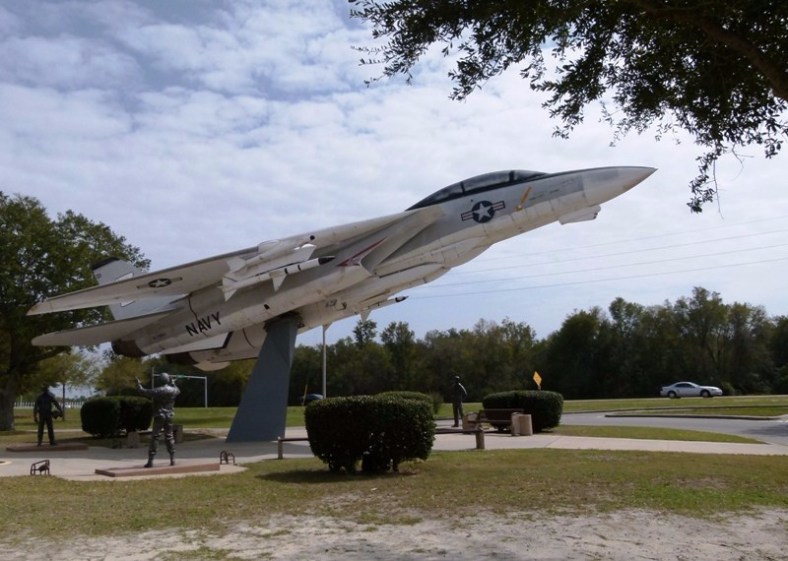
The other planes that are specific to my life are the Blue Angels F/A 18 shown below. Every May we have the thrill of seeing these planes during the graduation week at the Academy.

blue sm

I originally planned on cropping this photo, but it shows the drama of the planes as if they are in flight. My praise to the museum in how they used this space.  But wait, wait! Look below the middle “angel” and you can again see the “N3N” which represents a span of 59 years, from earliest production of the “N3N” to the last model of the F/A 18 production.

St. Marks Lighthouse

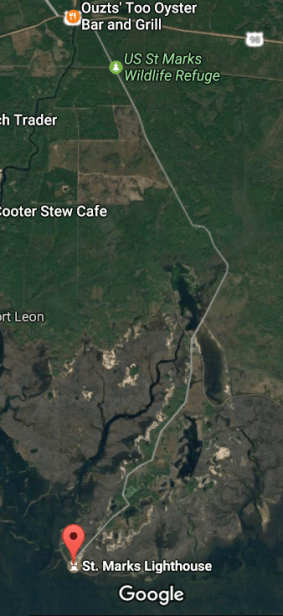
While staying at Newport Campground, we traveled south on Lighthouse Rd. through St. Marks Wildlife Refuge to see the lighthouse on the gulf.
st.marks

Lighthouse Rd. was directly across from the campground so it was easy access. We timed our trip to coincide with our being there during sunset and making sure we’d be out of there (the gates close this road) by 7:00 PM. We wondered what happens to folks who are stuck inside on this road after closure??

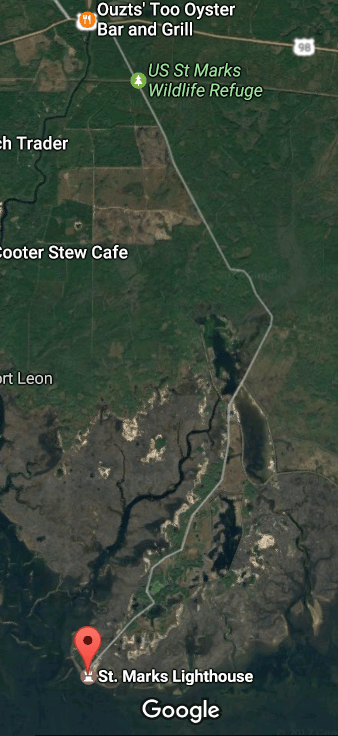
It was a beautiful 10 mile drive through natural vegetation and habitat. In the map above, you can see the St. Marks river to the left of the road.

st marks4

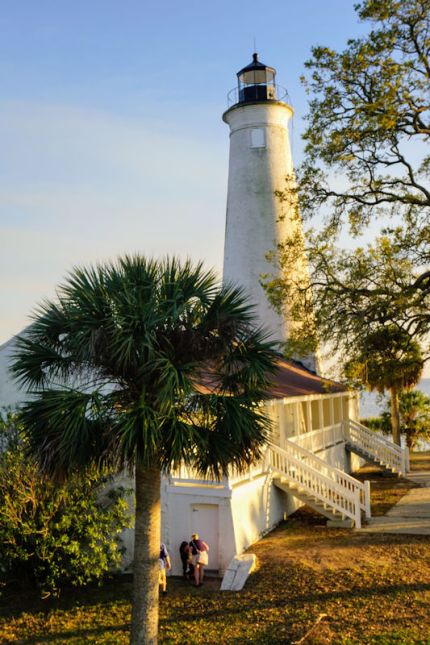
The lighthouse is no longer in service

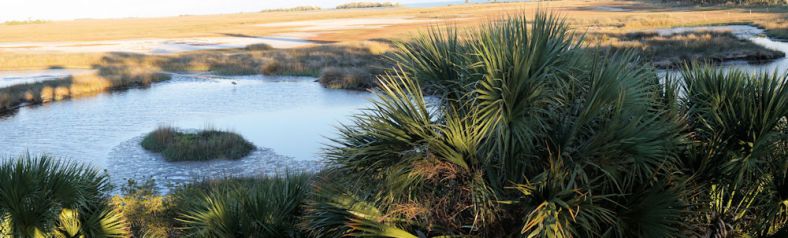
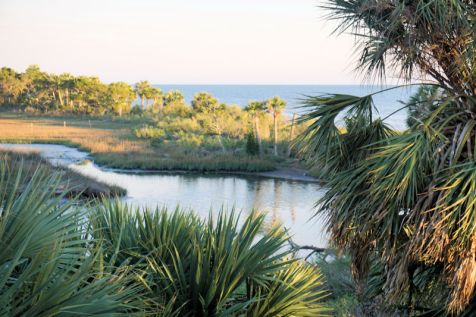
Once at the lighthouse, the beauty of the surrounding wetlands was presented. This panorama gives the feeling of it from three stories up on an observation platform.

panorama

st marks2
st marks
And finally, our sunset photo over the gulf:
st marks3Overall, a beautiful place for a side trip! Now, for the answer to the question I posed about getting locked in after the gates close in Lighthouse Rd about 3 miles from Route 98: there is a button that one can press to open the gates!! Hah! You’re not locked in until the next day.
Wakulla Springs

The Florida panhandle is a very unique part of Florida! We’re definitely in “old Florida,” and it is a refreshing change from the traffic and congestion of the Tampa Bay and Charlotte Harbor areas of the gulf. Also, the scenery is different with more pine trees and less palm. Susan, my sister-in-law, highly recommended a trip to Wakulla Springs, 14 miles south of Tallahassee. It was a great tip! We stayed at the county campground of Newport, which was only a twenty minute drive away. Other than ultra low water pressure, our stay at this campground was adequate. But, we came for the Springs.

wakulla5
The Springs themselves are the deepest springs in the U.S. At least 185′ deep to the surface, once inside the caves, it is said to be well over 300′. It is a first magnitude spring producing millions of gallons of water a day into the Wakulla River and next to the St. Marks River and finally 14 miles later out into the Gulf.

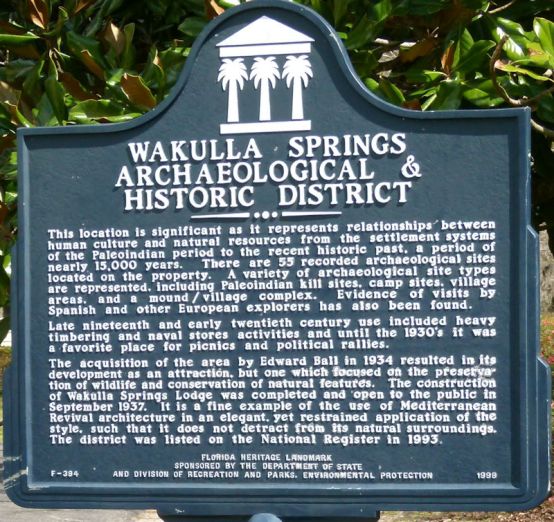
Since the land was purchased back in the early 1930’s by Edward Ball with the intent to conserve it, after his death it became a state park. The river for a good part of its length is pristine and untouched. All habitat is natural. The only way to appreciate it is with a narrated boat tour that lasts about an hour.

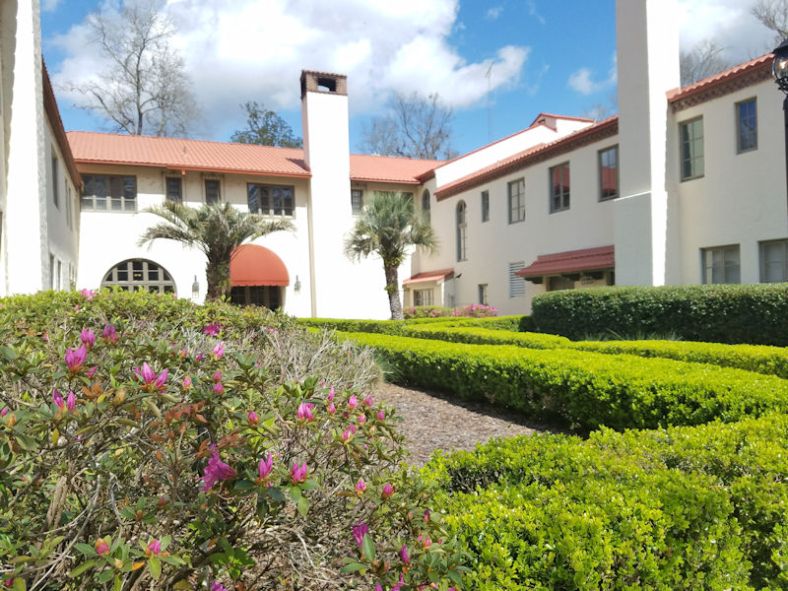
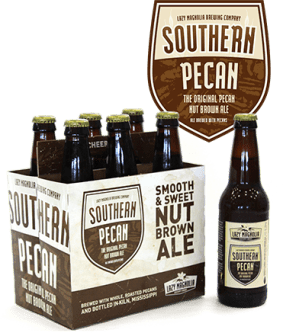
There’s a lodge in the park that dates back to the late 30’s and is still in use today. We ate an excellent lunch there and Ken was introduced to two great things: 1) Apalachicola raw oysters and 2) beer that he really likes: Lazy Magnolia, Southern Pecan Nut Brown Ale (roasted with pecans). southern-pecan-beer1

He raved about the sweetness of the oysters. This area is known for them.

wakulla6

The Lodge has 27 guestrooms plus a formal restaurant and a snack bar

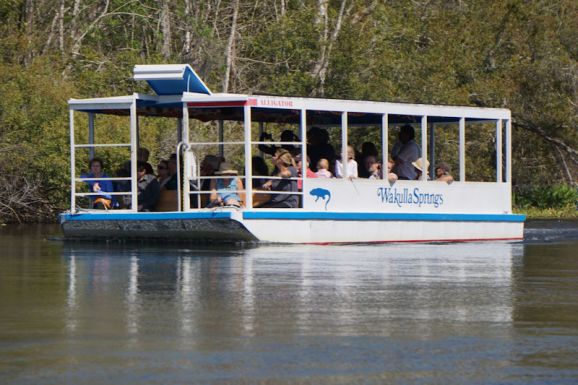
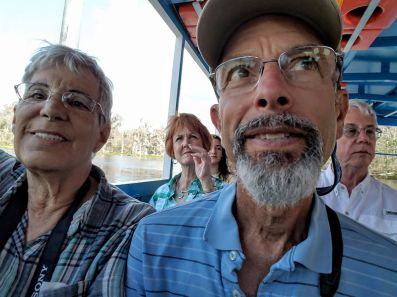
This is the boat we toured in. The “captain” was a guide and was not USCG required to have his Masters license because it’s a closed body of water! He did know his animals and where exactly they would be hiding just before we would get there.
wakulla9
Listening intently to every word!wakulla2

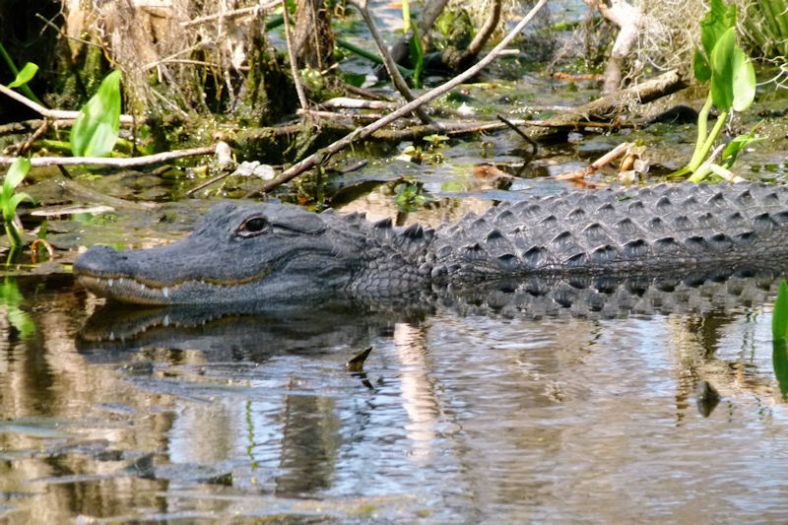
A slide show of just all the alligators we saw:

This slideshow requires JavaScript.

And, some of the turtles, birds and ducks!

This slideshow requires JavaScript.

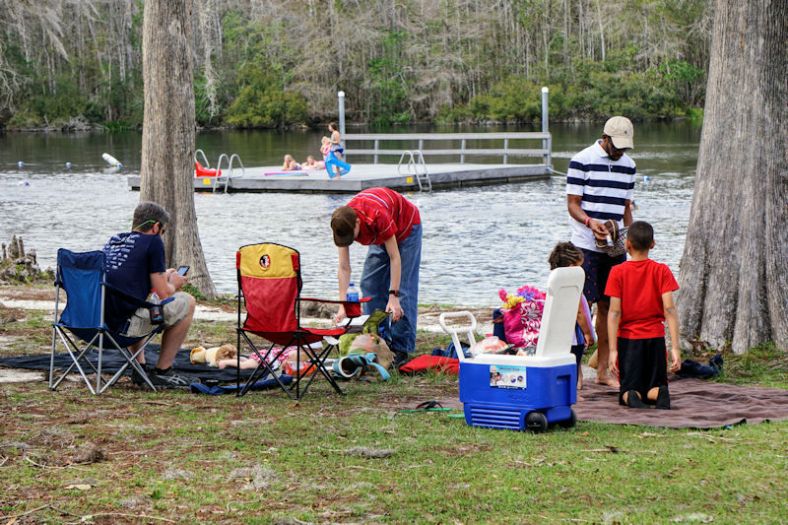
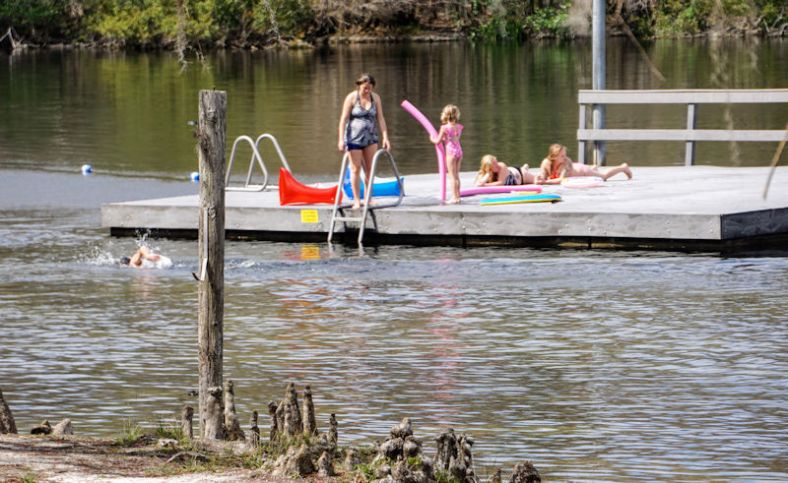
On the day we were here, it was warm enough for families with kids to enjoy the warm water from the Spring.
wakulla12wakulla13Our next post will be on our side trip to St. Mark’s Lighthouse just to the south of Newport through the Wildlife Refuge.
st.marks


Ponce De Leon Wildlife Sanctuary

The sanctuary is located in the charming nautical community of Punta Gorda, located on the southern side of the Charlotte Harbor area. The Peace river ends there. It is within the county park of the same name. Here, folks who love wildlife, take care of and rehabilitate mostly birds and reptiles. Many are permanently kept at the sanctuary due to their injuries or handicaps. It was an interesting afternoon visit for a photo shoot, education and a walk through the wetlands of the park learning about tree crabs and their preferred use as fishing bait among locals!

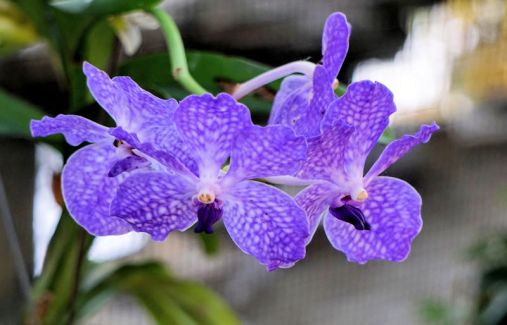
orchid

First thing I noticed inside the facility were the orchids!

Most of these birds are not capable of flying, so they are allowed outside, cage-free:

bird2

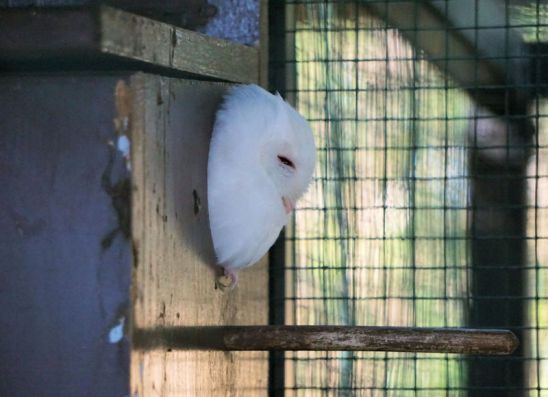
The snow owl is fast asleep during the day

bird

His crooked beak prevents him from catching his meal

bird4

This guy’s handsome, isn’t he?

bird3

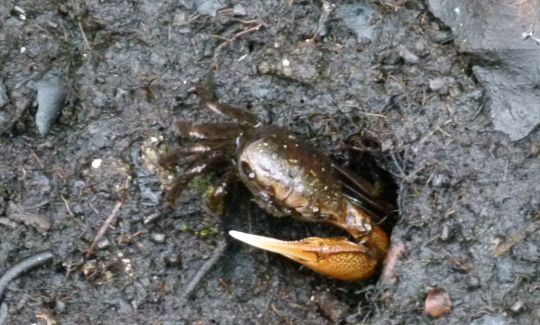
The walk along the river wetlands was interesting with boardwalks to assist. We learned all about the collecting of the small crabs that crawl up onto the mangrove trees to be used as fish bait. We watched the hunt for these. In the process we discovered our own fiddler crab.

crab-shaker

This girl is chasing small crabs from the trees

crabAfter the visit to this park, we stopped at Fisherman’s Village for a stroll around the shops.
Salvador Dali and the Ringling Museums of Art

The greater Tampa Bay area is blessed with at least two spectacular art museums; I’m sure there are more, but we visited the two most well known. The Dali is in St. Petersburg and the other is part of a sprawling estate of the Ringling family in Sarasota.

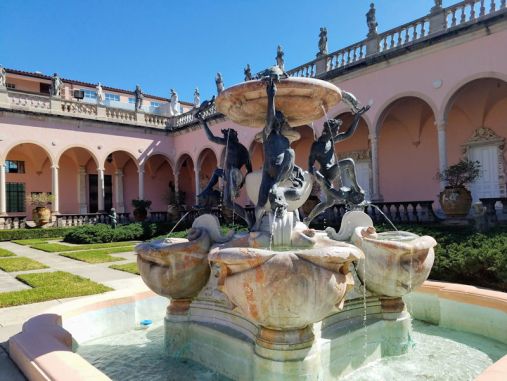
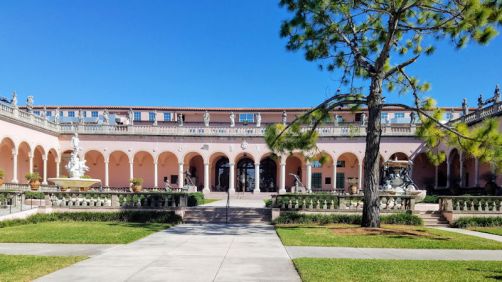
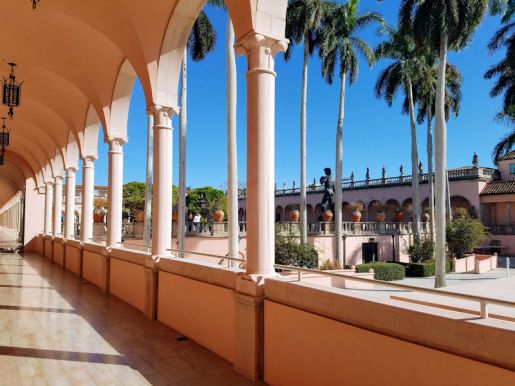
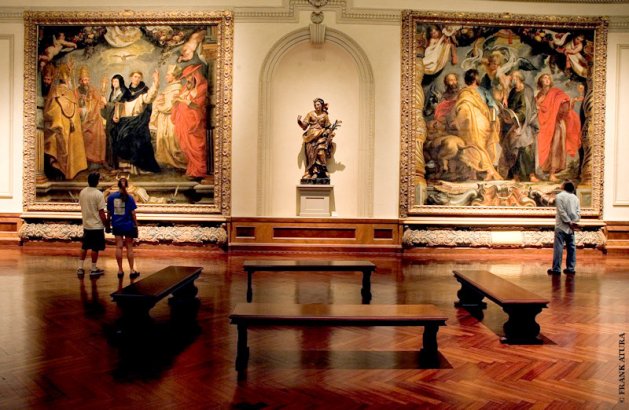
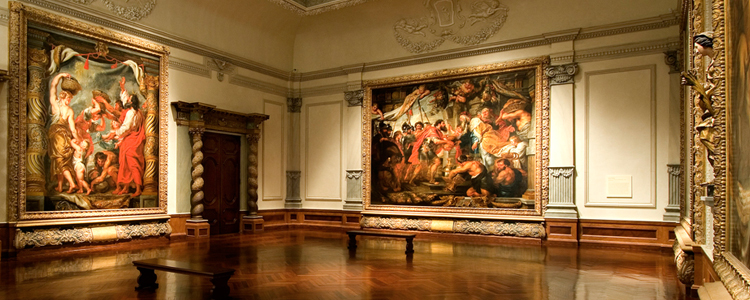
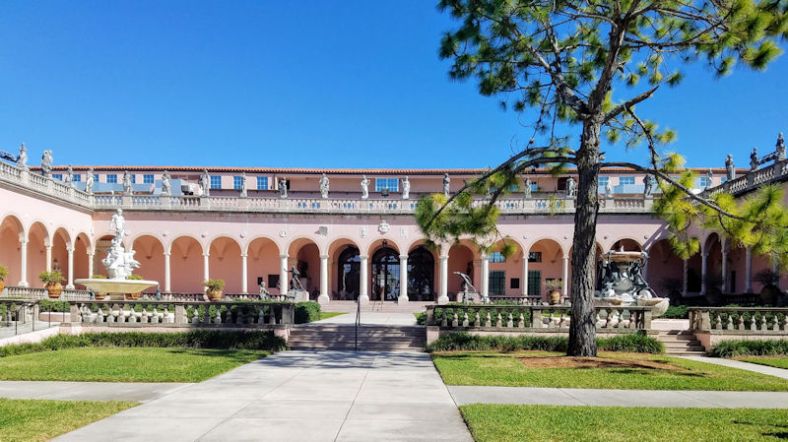
The Ringling Museum of Art is built upon John and Mable Ringling’s love of Rubens paintings. They had the rooms specifically designed to complement the enormous paintings. Their first collections were of Rubens, but later collected other painters and sculptors, mostly from the pre-Renaissance and Renaissance periods throughout Europe. Here are some photographs of the museum itself.

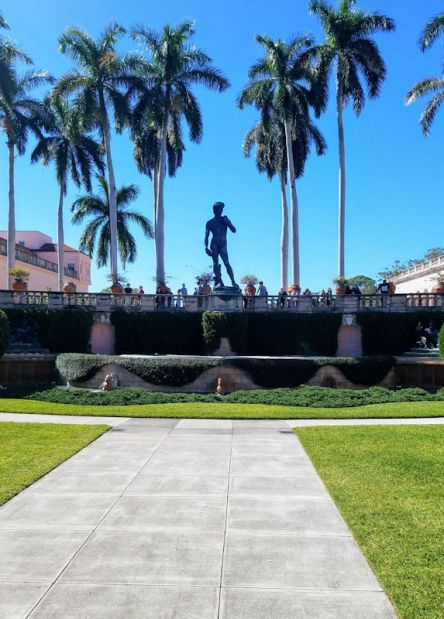
ringling-david

Large Casting of Michelangelo’s David

ringling3

ringling2

Courtyard

ringling1

Outside one gallery wing

The Rubens collection is magnificent as these photos show:

ringling-paintings

Note the room’s decor to complement the paintings in this photo and the one below.

ringlingmuseumslideimage1110110114812
There were paintings and sculptures from Asia (an entire wing) and Contemporary Art as well, although not as prominent. Remember, the Ringlings were collectors.

The Salvador Dali Museum is as diametrically opposed to the Ringling as one can get. We went to these a day apart. This houses the largest collection of his works outside of Spain, his native land. There was no shortage of huge canvas paintings here as well.

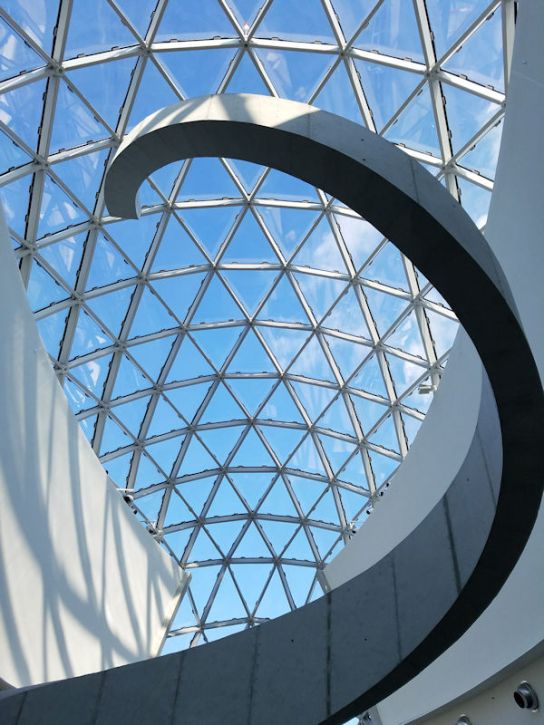
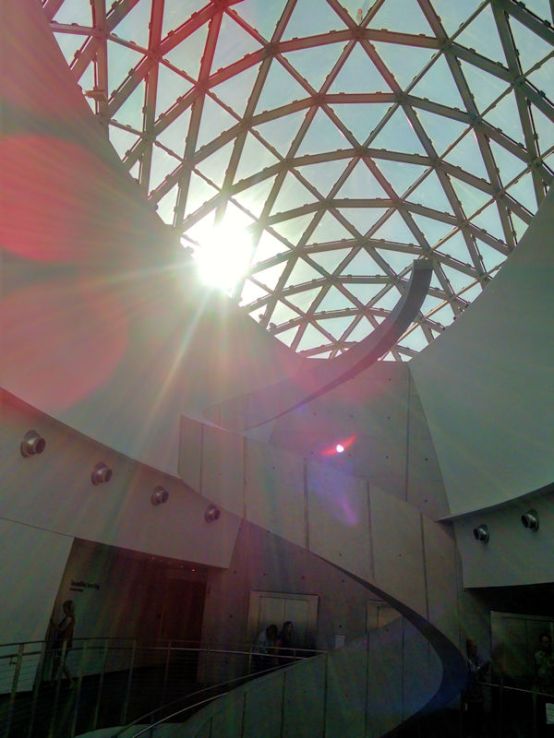
Salvadore Dali made a remarkable impression on civilization. His sense of wit and the icons of his art and life (melting time pieces, handle bar mustache) almost take a life of their own at the museum.   Visit the gift shop and see this reflected in ties, coffee cups, napkins, etc. Even the spiral staircase mirrors these themes.

The building itself is dramatic. A central spiraling staircase takes you to the top floors and galleries.  The museum uses technology to help make an indelible impression of his life and art.  When we reached the top we took the offer to tour a painting immersed in goggles and earphone which created a compelling virtual reality. I felt as if I was having a lucid dream where I could explore the landscape as I wished. The museum also lends out earphones and smart phones (or you can use your own) to give commentary on Dali’s vision.

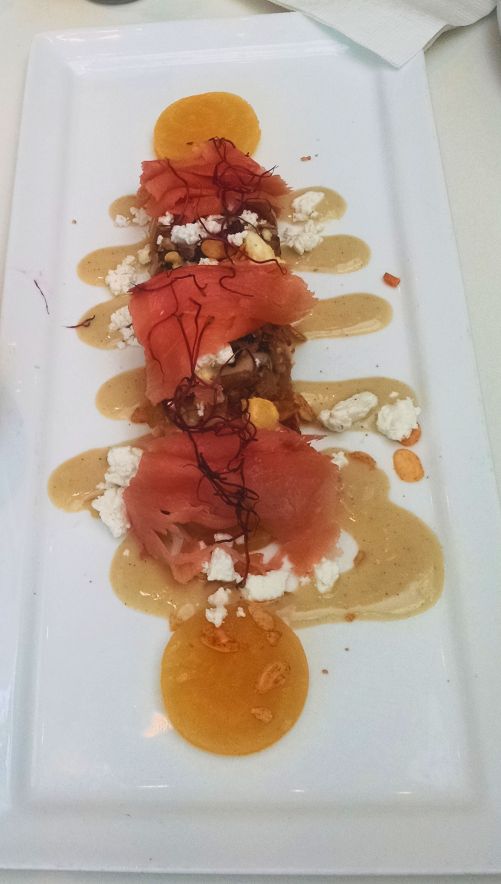
Dali’s art has common themes. His family and wife, Gala, are mirrored again and again in many of his works, not only in portrait but dissected and transformed into symbols and allegorical figures. The museum has made delightful use of this technique in creating the Gala restaurant both from an architectural point but from a food display as well. My meal was visually stunning as well as delicious. Of course, the food was inspired from Spain.

dali-gala-food2

Ken’s lunch!

dali-spiral

Looking up to the top of the Museum

stairs-dali

It appears like the stairs will continue to rise up 

dali-clock-melt

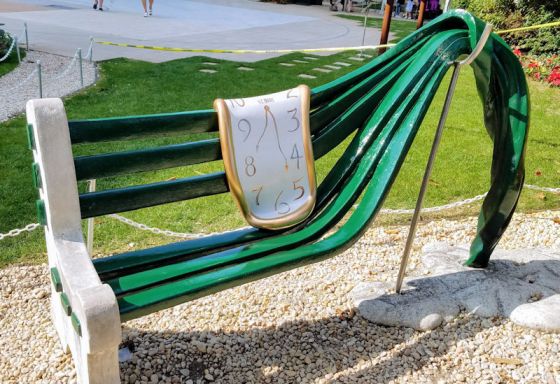
Melting clock theme on outdoor bench

dali-mustache

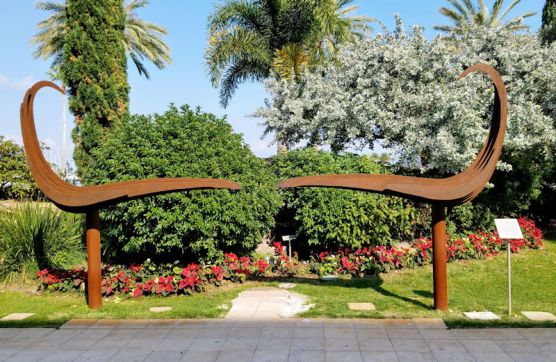
Mustache lawn sculpture

dali-brother

Portrait of his dead brother, Salvador

Above is the portrait he did of his dead brother, Salvador. He died as an infant. Salvador imagined what his brother would be like as an adult.

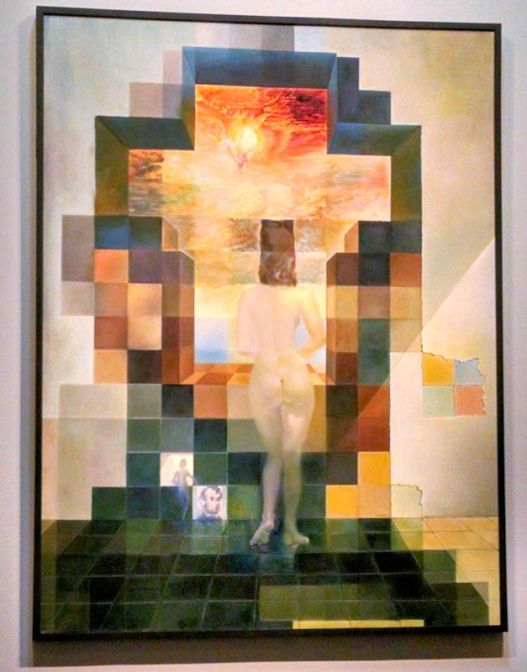
dali-lincoln

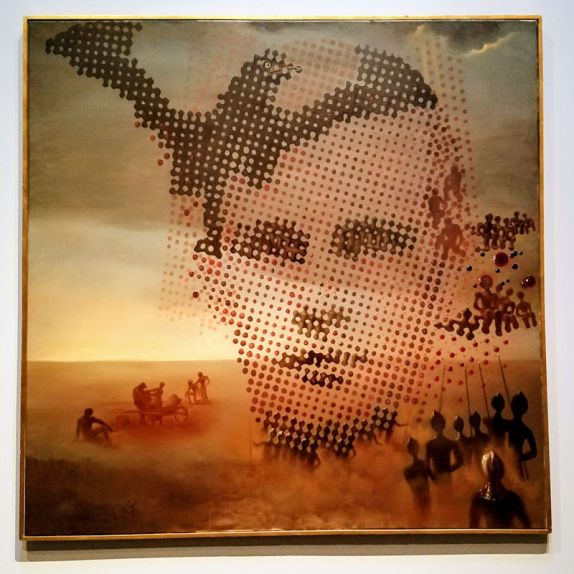
Portrait of Abraham Lincoln

The above painting takes up a gigantic wall in the museum on its own. It must be viewed from the far opposite wall to be able to see that it is a portrait of our President. His wife Gala is also depicted in the painting.

Both museums were great to visit on each day. We both highly recommend that everyone who enjoys seeing masterful works of art should put them on their bucket list.

We’ve Been Doing A Lot of Kayaking!!

This is a catch-up post. I’m going to make all the next few posts thematic rather than in chronological order. I hope it will all make sense.

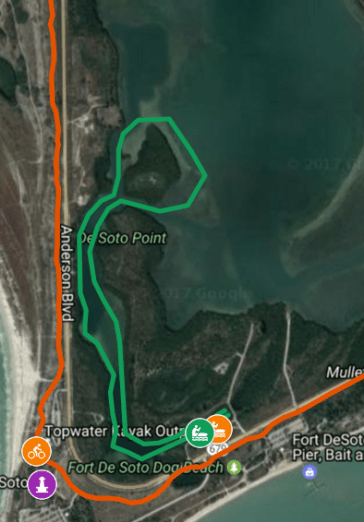
We got lucky and were able to get a spot at Fort De Soto County Park in St. Petersburg Beach instead of dry camping/boondocking after Riverside RV Resort. The only disadvantage of staying here is the lack of a built-in sewage hookup. But, the pluses far outweigh this for sure: kayaking right in the park, surrounded by the Gulf of Mexico and the finest beaches to be found anywhere, plus mature trees and lots of site privacy. Here’s the map of our “kayak trail” at the park:

_2017-02-26_20-33-17

The green line is the kayak trail

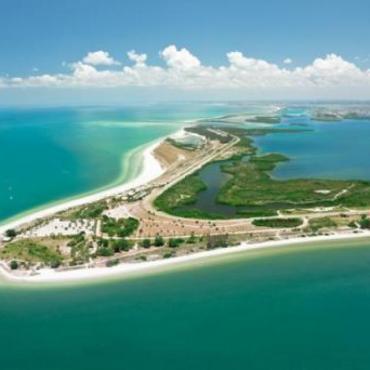
Below is an aerial view of the area for paddling.

fortdesotoaerial640x480

The green foliage area and waterway is the trail

Here is a photo of our campsite:
fort-desoto-site It was a nice warm day for paddling and the trail was well protected. It was fairly busy with other kayakers since there was an outfitter renting kayaks right there.
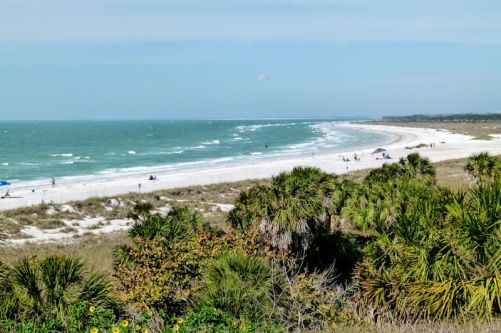
And, most folks come to this park for its beaches. As you can see, the Gulf has more turquoise water than the Atlantic.
desoto-beach


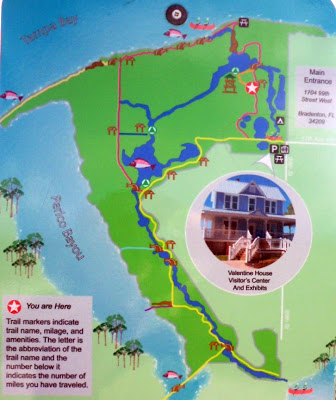
Next kayak location was in Bradenton. We stayed a week at Winter Quarters Manatee and Jen joined us for the tail end of the stay and the move to the Chassahowitzka well north of the greater Tampa area. We did a lot of paddling with Jen; she brought her SUP down with her. In Bradenton, we paddled at Robinson Nature Preserve, which is a county run protected area. The day we went was extremely windy so we stayed within the protection of the preserve rather than venture out into Anna Maria Island. Here is the map of the winding waterway area we covered in our trip:
robinson-preserve-amp
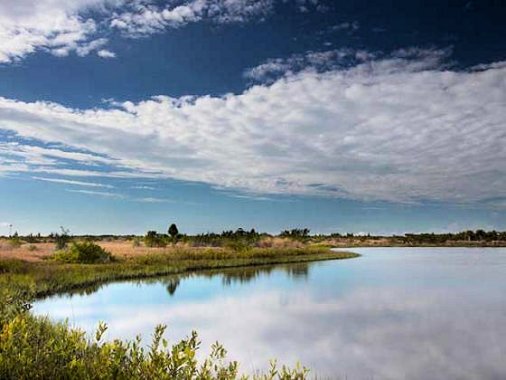
robinson_preserve-2The scenery is varied in this area and is a welcome change from all the red mangroves of previous paddles.
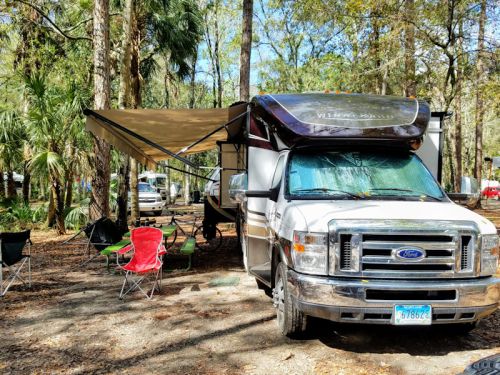
We left Bradenton a day early because the weather forecast was not going to be good for the one day that Jen would have paddling on the Chassahowitzka before leaving for home, plus the campsite was pretty noisy being right adjacent to I75. Luckily the campground (Chassahowitzka River Campground) had our site open for the early arrival. We were heading to Florida’s “Nature Coast” and the “Chaz” is supposed to be one of the best spots for kayakers in the entire state. It is one of the few remaining pristine waterways in Florida. Here is our gorgeous site with nice privacy and a fire pit!
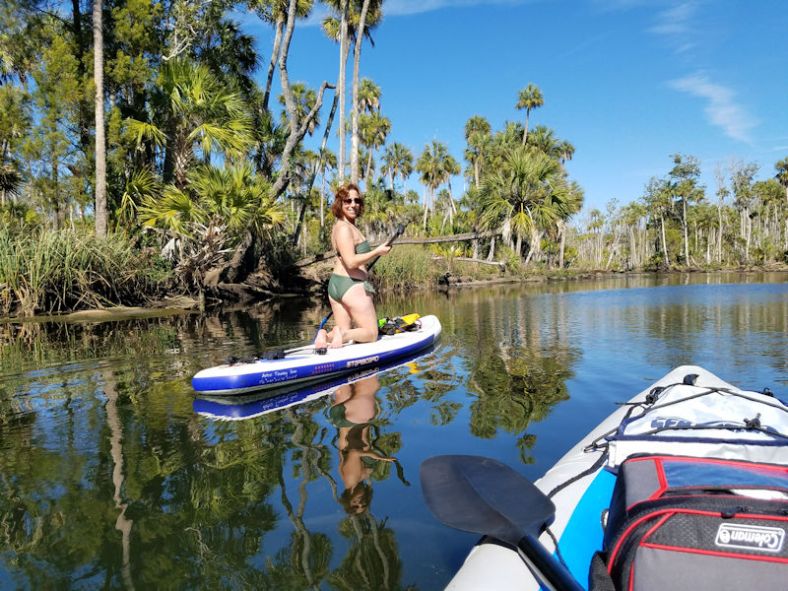
chass-siteThe campground has a large launching area on the river and is only a few hundred yards from the Seven Sisters Springs and a short distance to Manatee Cove. Here’s Jen and Ken getting the kayaks ready for launch:
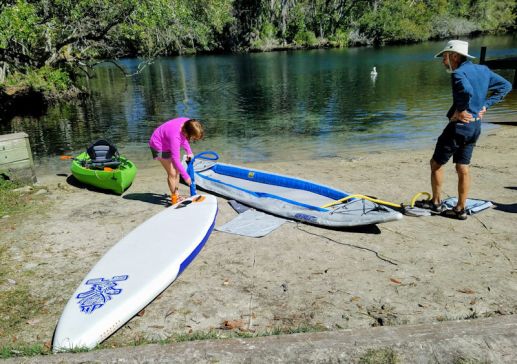
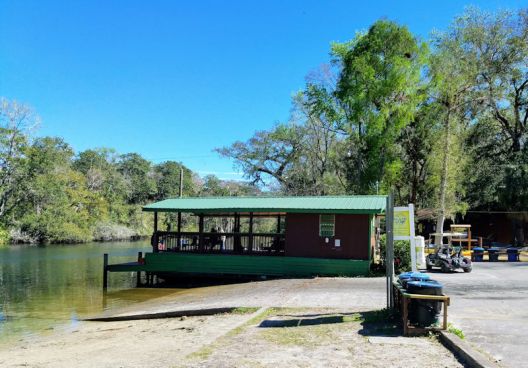
chass-launch
The campground has several buildings on the riverfront. They also have a kayak kondo where Jen was able to store her kayak overnight while staying inflated.
chass-buildingOur first destination was downstream to Manatee Cove. We all were determined to see manatees in the wild. Sure enough, we could tell from a distance that we would be in luck as there were several kayakers all circling in the cove.
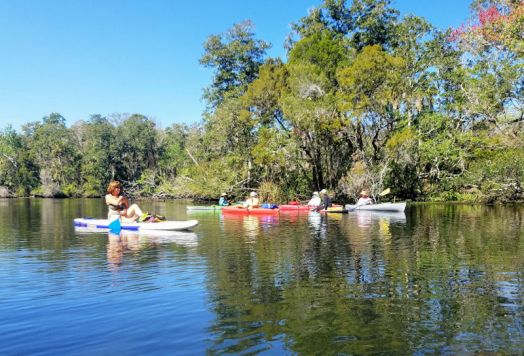
chass-kayakers

Jen’s sitting down on her SUP in Manatee Cove

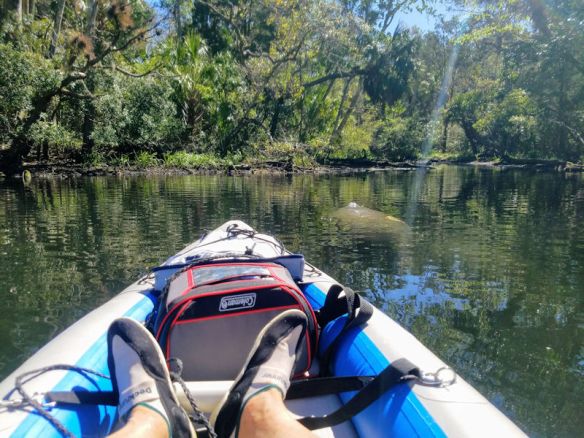
We carefully paddled over to the area and counted off at least 10 manatees! Many surfaced for air right next to our kayak, within inches! It was so exciting to see these huge mammals.

chass-manatee

Note the hump in the middle right. That’s a manatee up for air.

We continued downstream and took a nice detour through a tributary. What’s amazing about this river is that the water is so very clear. Here’s a YouTube link of a video of us Kayes in our kayaks as we paddle in this paradise. Ken and Jen are discussing the mullet fish in the water. They’re everywhere! They also love to jump clear out of the water, too! By the way, they’re delicious smoked.

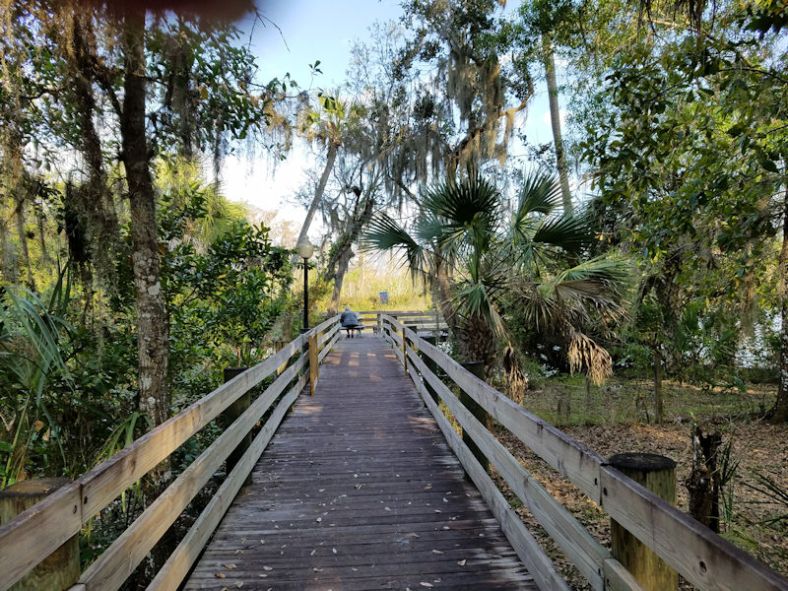
We finished the paddling day at the Seven Sisters Spring, where there are 7, yes, 7 springs close together in a small creek off the Chaz. There are caves way down below. Jen got out of her kayak and took Ken’s phone and put it underwater for some video which is here. It is said that there are folks who disappeared in these underwater caves while snorkeling. Here is a photo of that one from the surface:
chassahowitzka-springThis spring is the one where Jen got out of her kayak and grabbed Ken’s phone (in a protective clear drybag) and placed it into the hole! You can see the aquarium view in YouTube.
After Jen left, Ken did a solo paddle on a small tributary off of the Suwannee in Otter Springs. He may do his own version of kayak posts. My next post will be on “Art”.


The Best Dog Park Ever

By Pogo

I love the big dog park at Riverside RV and Resort. There’s a smaller one right near our campsite, but it’s not much fun. My Mom and Dad found the big one right near where they launch the kayaks. So many dogs and their owners show up around 4:00 or so as the sun starts to head lower in the sky. On my first day here, there was a beagle, two golden retrievers, a labradoodle, a springer spaniel, another mutt, and a black colored mixed breed. All were medium to large in size. I was clearly the oldest pup.

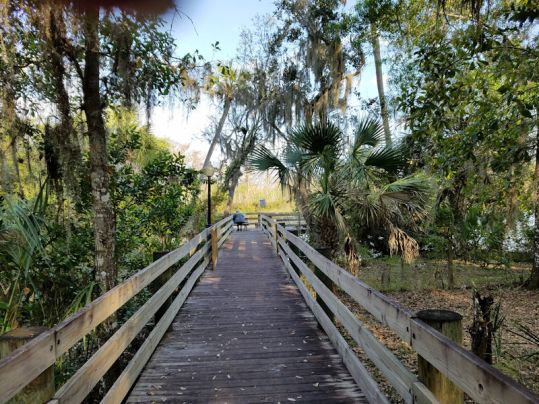
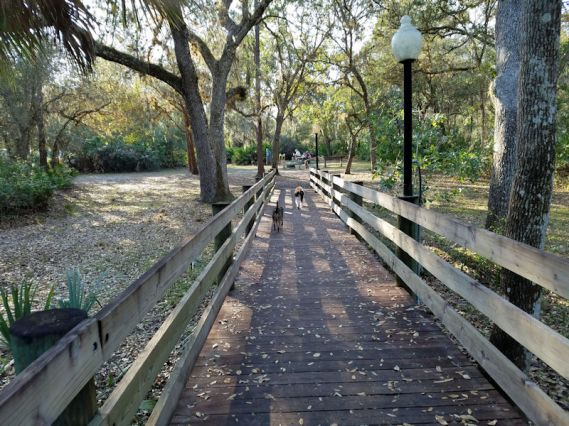
What’s special about this park is its size and foliage. It’s huge and it doesn’t look like it’s fenced in, nor does it look like a dog park. It’s bordered by mature trees. Plus, there’s a long boardwalk/dock leading to the river, all safely isolated so even I, a recognized escape artist, couldn’t figure out how to get out of here. Besides, it’s so nice, why bother? There was lots of stuff to sniff.

dock-pogo-water

Boardwalk and dock towards river and picnic table

At the end of the boardwalk/dock was a picnic table and seating for the adults to chat in a scenic environment overlooking the river while us pups played. At the other end of the park, there was another picnic table where other adults can hang out.

dock-pogo-wide

Other end of boardwalk to the grassy area and second picnic table

Many of the dogs, myself included, would jump up on the picnic table as our “safe zone” while playing.

What a great dog park this is. I have never seen a nicer one than this!

Kayaking on the Peace River

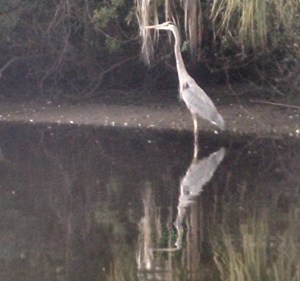
My first impression of the Peace River was wilderness. There is much to explore and much of it is unspoiled. Within the limited time of my travel what caught my attention was the contrast between undisturbed nature and development. I was able to come within a boat’s length of a heron stalking its prey. heron-bThere was an almost musical or dance like gate as he moved. Incidentally, I did not realize that I had captured the heron’s reflection until I began to edit the photo. Here is the video link of it in YouTube.

At first I saw the developed areas as awful and ugly. As I looked more carefully and gave it some thought, I realize that some people feel fortunate to be able to move so close to nature’s beauty. Some abuse the privilege, disturbing all around with complete disregard for the safety of others or what they do to the environment. The attitude, “I bought this expensive fast boat and by golly I deserve to use its power.”

As I rowed closer to the homes I noticed one home that had a boat shed with lifts over hanging the river. One of the boats is a steam launch. A more compact version of the “African Queen” for those of you who remember the movie with Humphrey Bogart. I have two photos. If you look carefully in the middle of the vessel you will see the boiler, valves and  guages. The sign out front says “NASA” in large caps and then in smaller lettering, “North American Steam Association”.

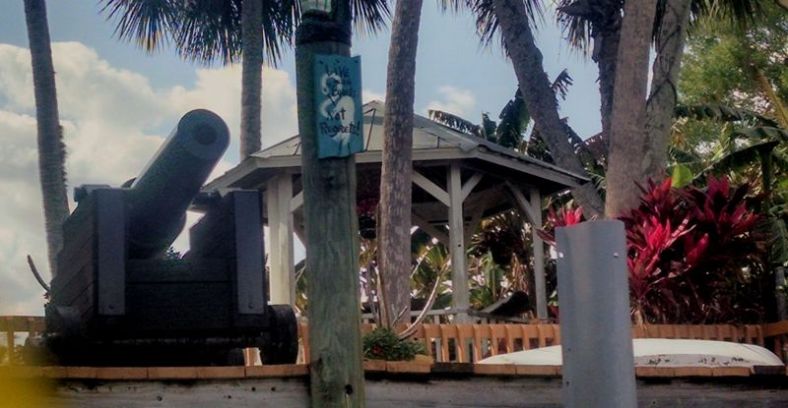
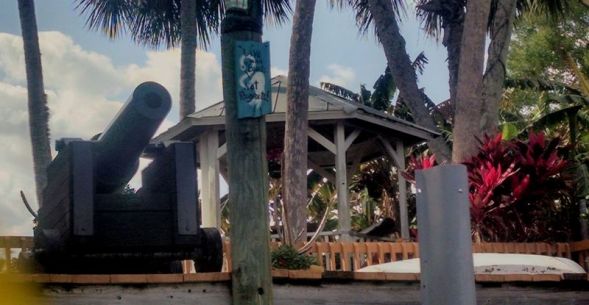
The owner has a vivid imagination and a sense of humor, for he has a  muzzle loaded ship’s cannon to protect his property. This would be the type of cannon used around 1815 or before.

cannon-b

Arrrgh, Stay clear matey!

Next to the steam launch were two friends, Maurice and John, who were painting John’s sea wall. I talked to them and inquired about the launch. Their neighbor Gene was brilliant and steam power was a more than casual interest.

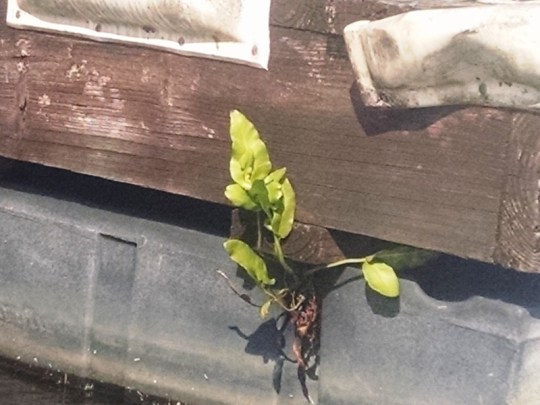
I explored the small harbor where the  Nav.a. gator restaurant and bar is located. As I left I noticed a small plant determined to survive in the small space it found among the timbers and steel.

plant-b

Nature persists and can adapt in the oddest of places.

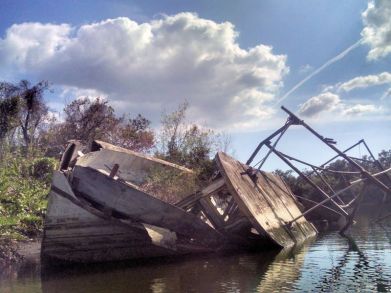
I entered Deep Creek, which is misnamed, thinking I had left “civilization” behind. However, I spotted a wreck on the shore.

wreck-best-b

Even the airplane contrail contributes to the aesthetic.

An old wooden fishing vessel lay rotting. The odd angles of wood, steel and foliage made for an interesting affect when captured by my camera.

COWS, Moosicians Outstanding in Their Field!

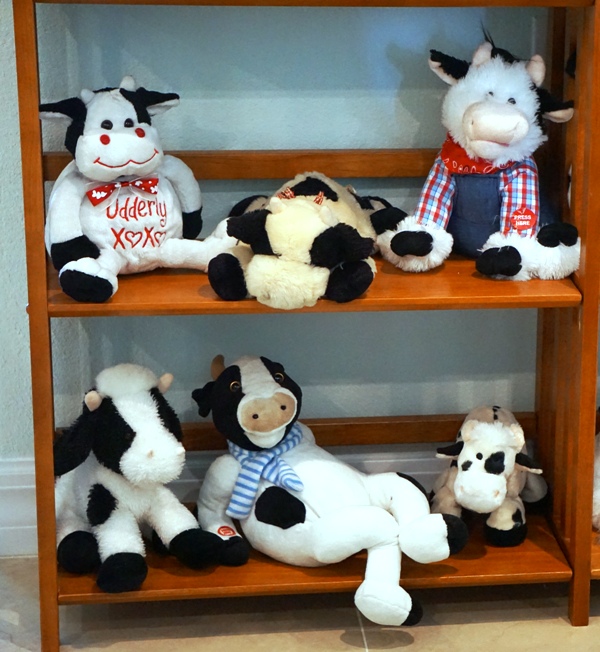
For those who know me, cows are a touchstone to humor and a collection of various cow-a-fanalia. For my friend, Cindy Partridge, cows are much more. At least as far as collection is concerned. She has more cows in more places than I can possibly imagine.

Cindy and I are high school friends who both played horn in the Platt High School Band in Meriden, Connecticut. We are 2 years apart, school wise. For both of us music has been a passion and playing music a means of support and comfort. We spent the first half of our lives teaching in Connecticut where we formed our own horn quartet and then both served in the same 76th Division Army Band (Army Reserve).

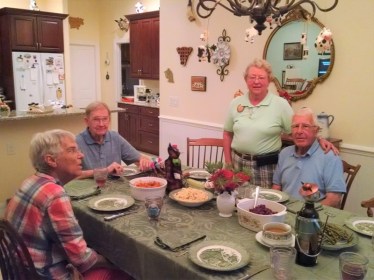
This February 1st, we had our sometimes annual reunion. For the first time, this reunion was in Port Charlotte, FL, at her home, instead of Annapolis.  She is one busy individual currently playing and/or conducting in 3 community bands and an orchestra. We also had dinner with her at her house where we met some of her musician friends, Norman and Joe and some mutual sailing friends, Eric and Julie Koch.

cindy-friends

From L to R: Ellen, Joe (clarinet, Cindy, Norm (trumpet). Look carefully. You should see at least 12 cows.


We had not seen the Koch’s for over 25 years!

I know I said this was post was about Cindy’s cows. I have saved the best for last. Grab a beverage and some popcorn and watch:

This slideshow requires JavaScript.

Moo, Moo, Moo!