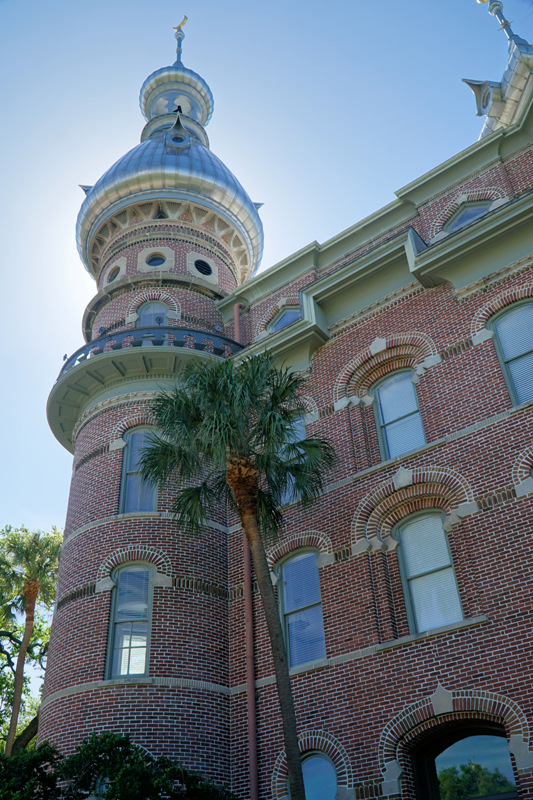
Henry B Plant was an entrepreneur. He had a growing transportation business and after the Civil War he bought up Southern railroads and incorporated them into his steamship lines. In order to entice the wealthy to ride his railroads Henry had built several lavish hotels. We visited his Tampa Bay Hotel which was completed in 1891. Now a museum, the hotel tantalized the rich with an opulent lifestyle and cutting edge technology to provide leisure for the wealthy.
Today living in luxury is something we take for granted. Almost every vendor promises us that their product is the most deluxe, innovative and superior product. Panasonic brags, “Idea for Life”, “GE, We bring good things to life.” or GE’s latest, “Imagination at Work”. How about DuPont’s, “Better Living Through Chemistry”or “The 2018 Lincoln® Continental | Elegance, Performance, Luxury”.
Henry built his hotel as a modern destination. One of the most prominent features was the electric light. Pictured below is a female statue, hoisting aloft five bare light bulbs like a goddess of victory. The bare light bulbs have no shade because the intent was to show the magic of the technology.
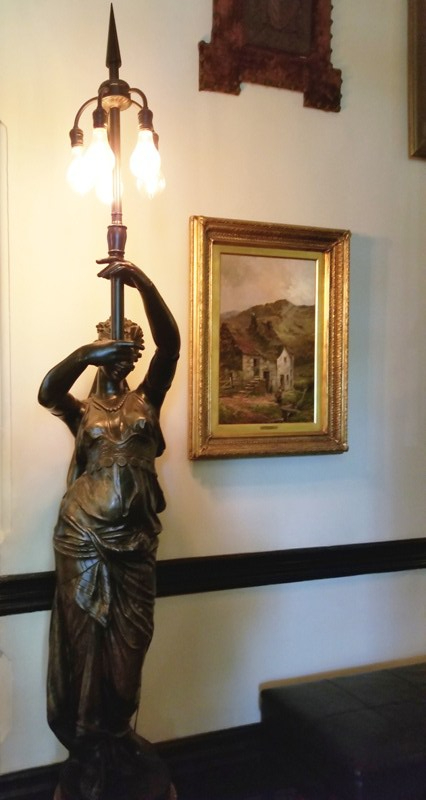
A statue to the modern light bulb.
The Moorish influence is gaudily expressed with its prominent multiple steel minarets, key hole windows and multiple balconies infused seamlessly with Victorian gingerbread. I asked one of the docents at the museum why Henry had chosen Moorish architecture? She explained that it would be regarded as exotic and eye catching. Well read guests were probably familiar with the contemporary English translations of the “1001 Arabian Nights.” Some cultured guests might have heard Rimsky Korsakov’s symphonic tone poem, “Scheherazade”.
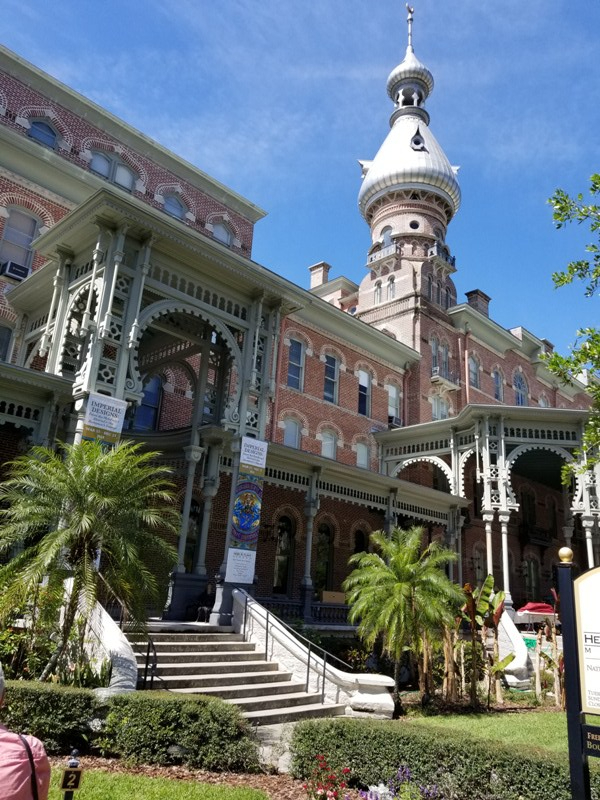
Moorish towers and windows with Victorian gingerbread.
The guests were entertained with international artists such as Poland’s Paderewski on piano, Pavlova, the famous Russian ballerina or listen to exciting band music conducted by John Philip Sousa. The hotel provided everything: Hunting, sports, gourmet food, boating, etc.


This amazing palace was not a part of the metropolis of Tampa, because Tampa was a backwater village only accessible by Henry’s railroad or steamships.
Throughout the hotel are displayed ornate statuary, paintings, furniture and passageways.


The photo below show the music room. Notice the large horn to the left of the window. That device played back music recorded on cylindrical “records” using entirely acoustic means (no electricity). On the table is a photographic viewer that would render the specially prepared photos into “3D”.
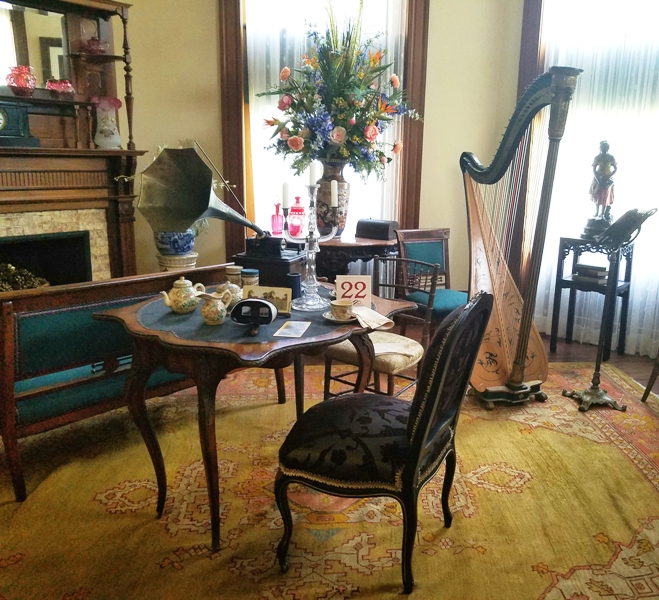
Music room
We dined at the nearby Oxford Exchange, the 1890 era building, which caters to modern day guests seeking quiet and a chance to contemplate, even if the object of contemplation is often with one’s smartphone.


The museum is on the campus of the University of Tampa: Henry B Plant Museum, 401 West Kennedy Boulevard, Tampa, FL 33606 (plantmuseum.com)






































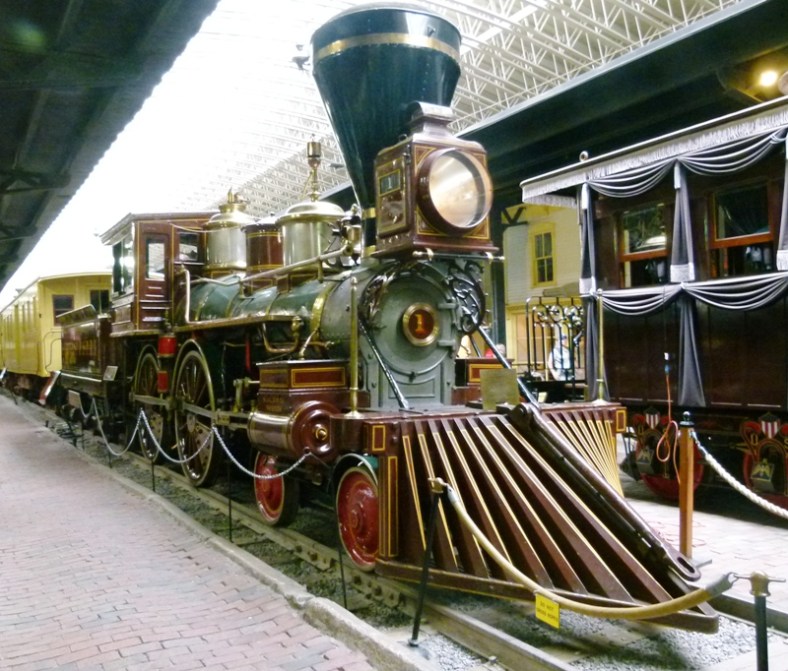
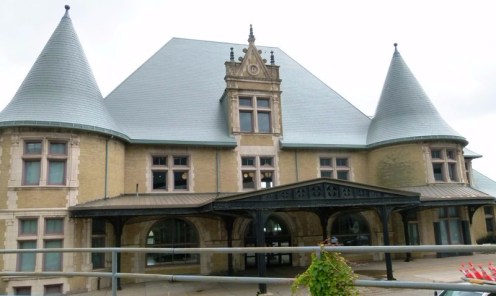 The diversity of the exhibits are remarkable! Not only does the Depot house these fascinating museums, but is also home to the Duluth Playhouse and the Minnesota Ballet. I urge you to visit this place.





























 Ken and Ellen's Woodwind Prairie Schooner Travel Blog