The old train depot, built in 1892 in Duluth, MN, is not just a preserved historical building. Inside are several separate museums that delve into fine Art, woodcraft as art and furniture, and a comprehensive display that honors and explains the craft and engineering of the train, particularly steam. 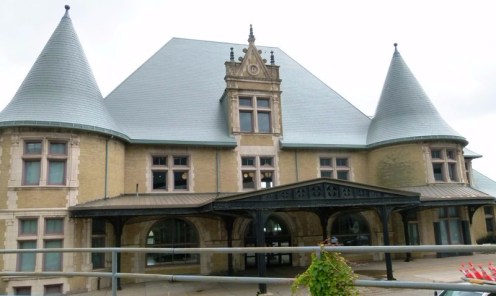 The diversity of the exhibits are remarkable! Not only does the Depot house these fascinating museums, but is also home to the Duluth Playhouse and the Minnesota Ballet. I urge you to visit this place.
The Duluth Art Institute features various artists. While we were there, they highlighted the artist Jonathan Thunder. He is a painter and digital media artist currently residing in Duluth. He has attended the Institute of American Indian Arts in Santa Fe and received a Bachelor’s Degree in Visual Effects and Motion Graphics from the Art Institutes International Minnesota. To quote from his site, “Jonathan’s paintings explore personal themes of identity, life transitions, internal conflict, and self-transformation. He depicts expressive characters whose emotions and thoughts manifest viscerally in their physical form. The bodies of his subjects often appear fragmented, disfigured, animalistic, or partially obscured. They portray the prison of old patterns and the desire to fluidly overcome them. His art acts as the scrapbook recording an evolving identity. Through his subjects, Jonathan can exaggerate the villains and heroes that make up his self-image. A strong theme focuses on the ability of the self to break away from ‘what it has been programmed to do.’ His work questions the cost of conformity, examines moral responsibility ….” I found his art both riveting and disturbing.


The art of woodworking takes the form of furniture and folk like carvings. The furniture of Herman Melheim (April 24, 1891- February 23, 1990) is exceedingly ornate, looking like it was done at between 1880 and 1920. This is not surprising when you look at his life span except why did he look backwards toward his birth for aesthetic inspiration? The most startling piece is the television stand. The television is circa 1970 encased in this ornate cabinet. The plastic of the TV is so remote from the beautiful wood. It would sort of be like driving a Model T Ford with an advanced navigation screen that was integral to the design of the car. I have considerable admiration for his craft since woodworking is one of the skills I have had to develop for maintaining our wooden vessels. Gratefully, I do not need to have Herman’s skill for the work that I do.


Unfortunately, the furniture is crowded into a small space, making the photography difficult.
The train portion of the museum mostly deals with steam engines. The steam technology advanced to the point that the last trains produced using steam were not lacking in speed or power. It was the maintenance cost that made steam technology obsolete. The museum not only displays the various engines, cars and equipment, but often accompanies the displays with videos showing the equipment being used.
The snow plow displayed is simple, yet massive. Videos showing the plow in use creates an explosive effect pushing feet of snow far beyond the track.

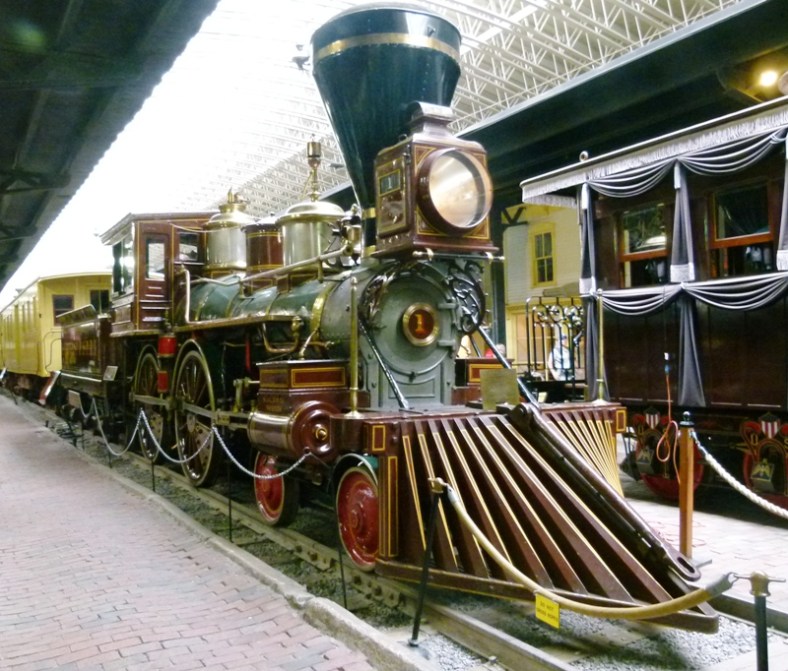
The engine shown below, the William Crooks, belonged to the St Paul and Pacific railroad. The engine arrived by steamboat in Duluth on Sept 9, 1861. To put this in perspective, this is the same year that hostilities broke out and plunged the United States into civil war. This is one of the few remaining locomotives from that time. Personally, I think this train is beautiful. The melding of the many metals is eye pleasing both as sculpture and as an engineering achievement. Kudos to the museum for keeping up these engines in such great condition.
Not only did they have this engine from the civil war, but they also had President Lincoln’s funeral car, or so I thought. When I went to research the details, I found out from the History Channel site, that that car burned in a prairie fire in Minneapolis in 1911. Further investigation revealed that the car on display is a fairly accurate reproduction. The Depot gives the following information. “Using photographs, written descriptions, pieces of charred metal, and a single wood frame window removed from the car before the blaze, an exact, full-sized replica of ‘The Lincoln Funeral Car’ was constructed. This colossal effort took over five years and was completed in time for the 2015 Sesquicentennial of the original train ride from Washington to Springfield.” 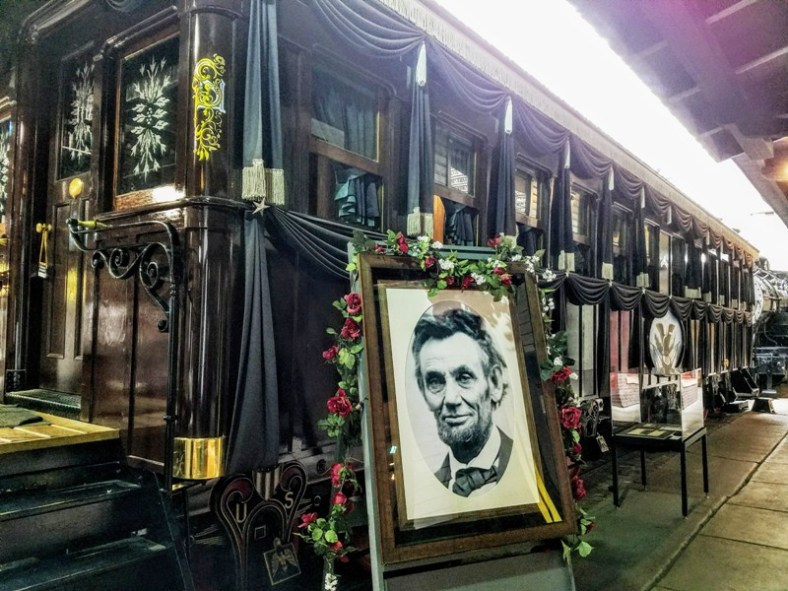
Duluth was a great stop, not only for the Depot, but the Lake Superior Maritime Visitor Center and the lift bridge. Duluth is also a major shipping port. I wish we had planned more time to explore the area.
 Ken and Ellen's Woodwind Prairie Schooner Travel Blog